

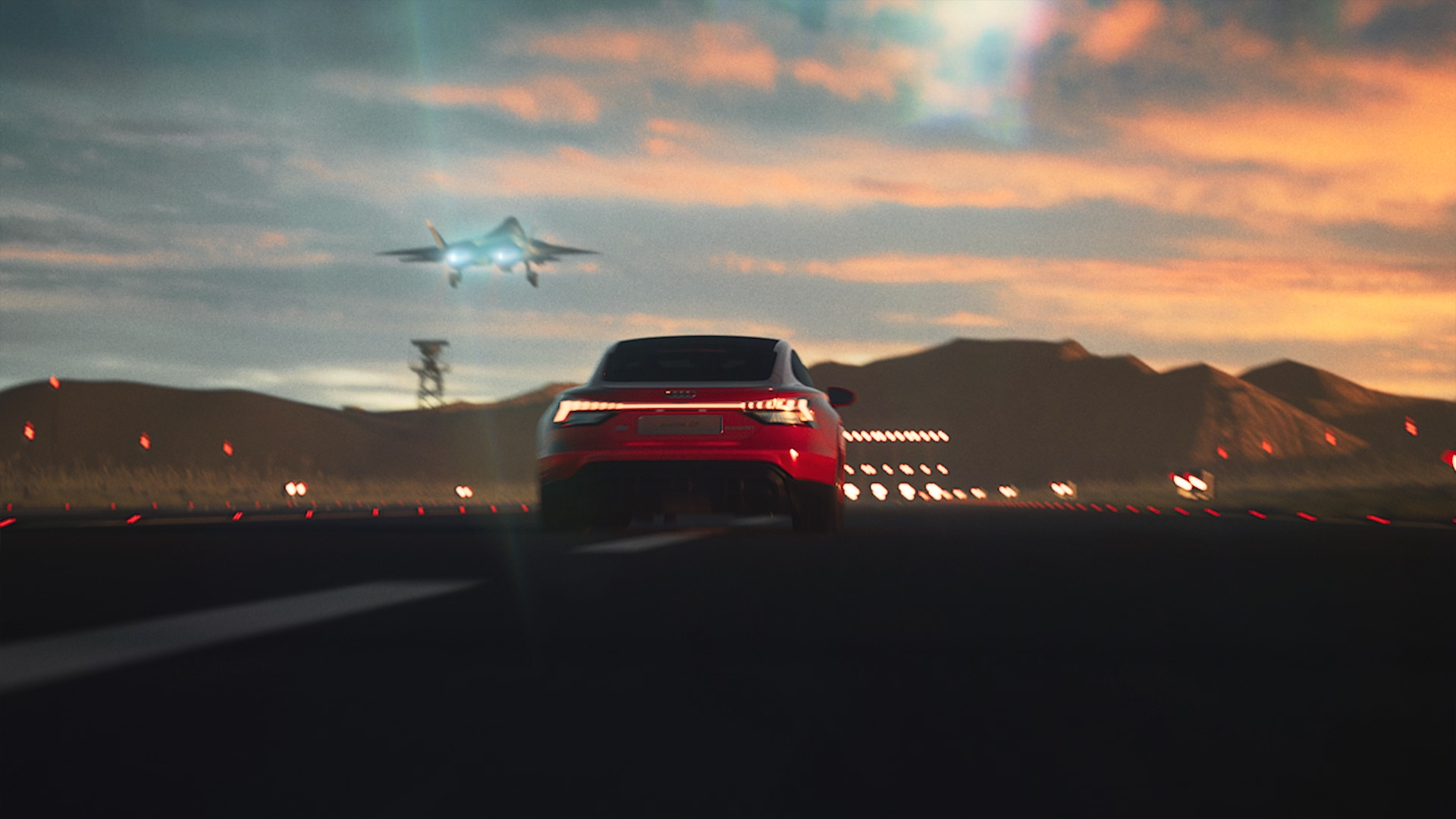
Good VFX goes unnoticed. A CGI car that looks like it was really there. A curtain that moves naturally when someone walks through it. A sky replaced so cleanly nobody questions it.
It isn’t the headline of the film. But it decides whether the film looks real.
What We Handle
Every shot is different. Here’s what we do, and when you’d need it.
Compositing
Combining filmed footage and CGI into one image, so a digital car looks like it was really in the scene.
Simulation
Creating things that move by physics, like fire, smoke, water, fabric and dust.
Rotoscoping
Cutting people or objects out of footage, frame by frame, so they can be replaced or layered.
Matchmoving
Tracking how the camera moved during filming, so CGI moves with the scene instead of floating on top.
Set Extension & Environments
Extending a location, replacing a sky, or building a place that never existed.
Not Sure What Your Shot Needs?
Ask us and we’ll point you in the right direction →For projects requiring a broader digital production pipeline, explore our automotive CGI and visual production capabilities.
Automotive VFX
Cars are hard to fake.
Paint, glass and chrome show every flaw, and the car is usually what everyone is looking at.
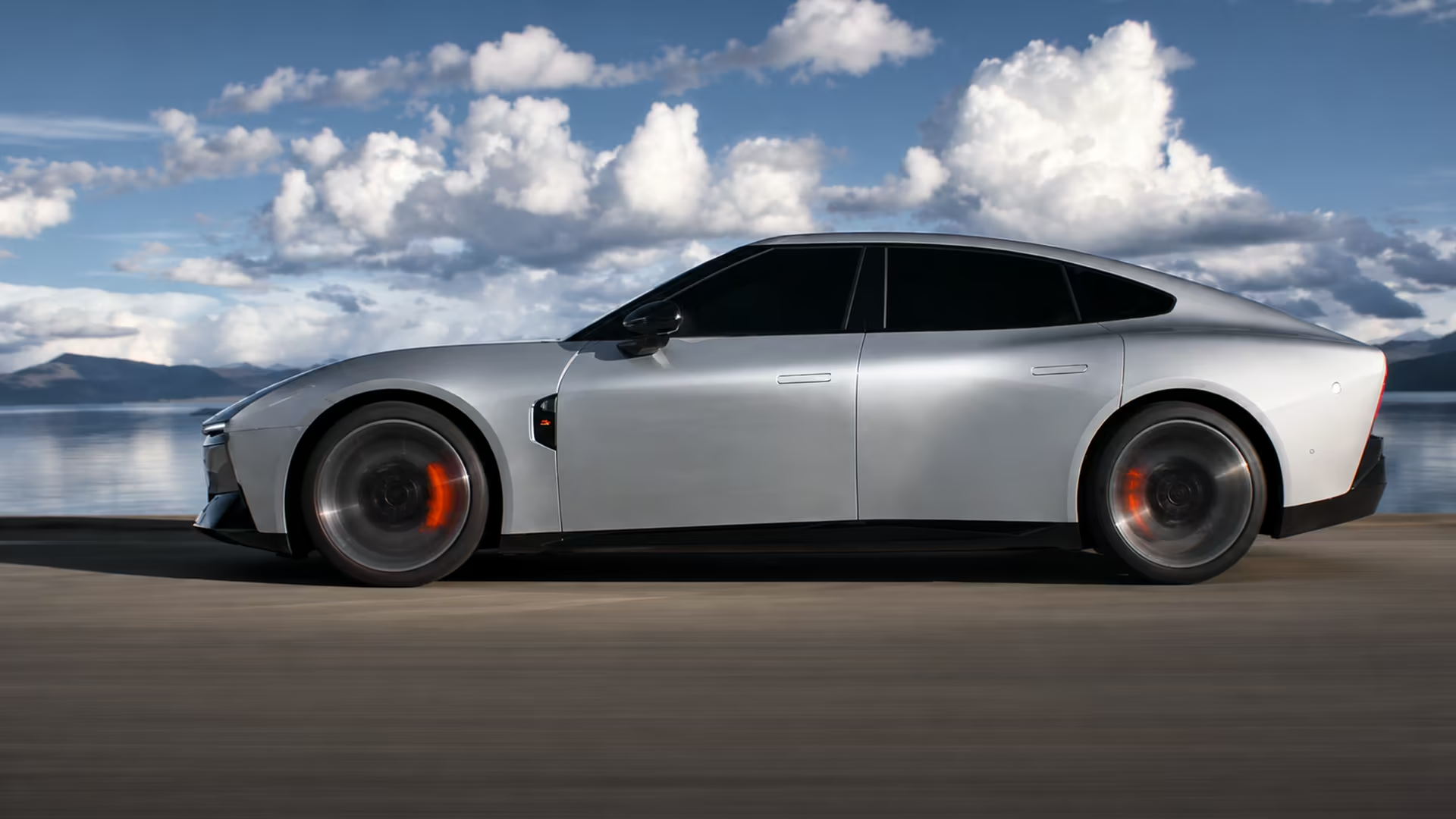
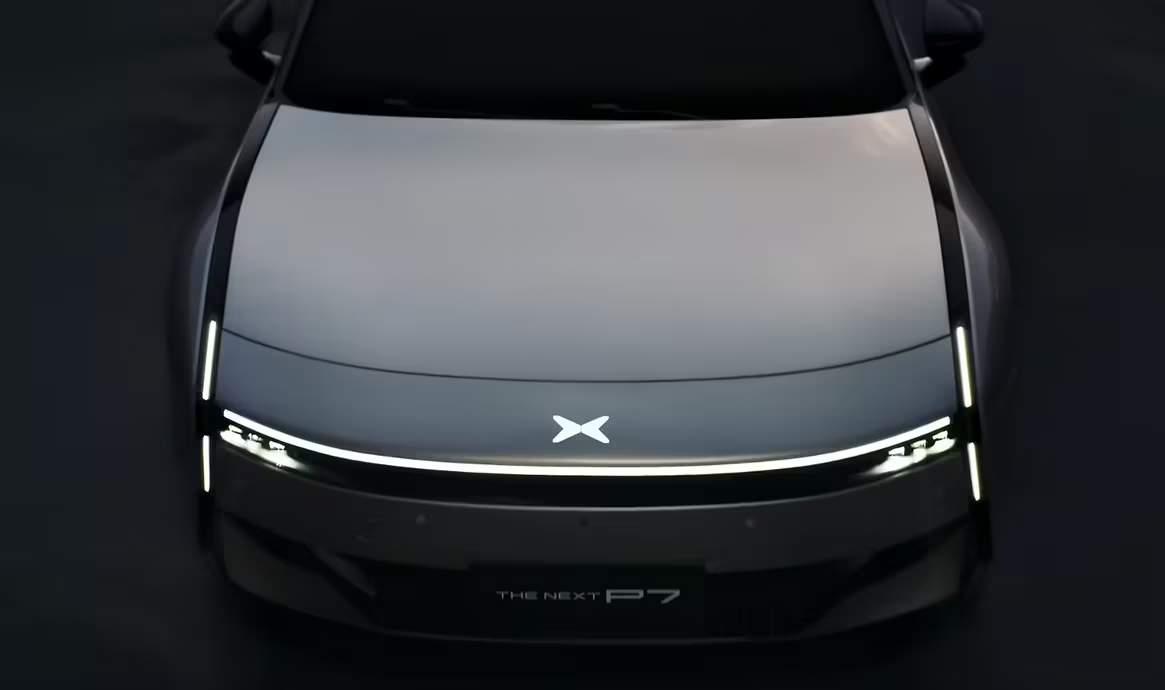
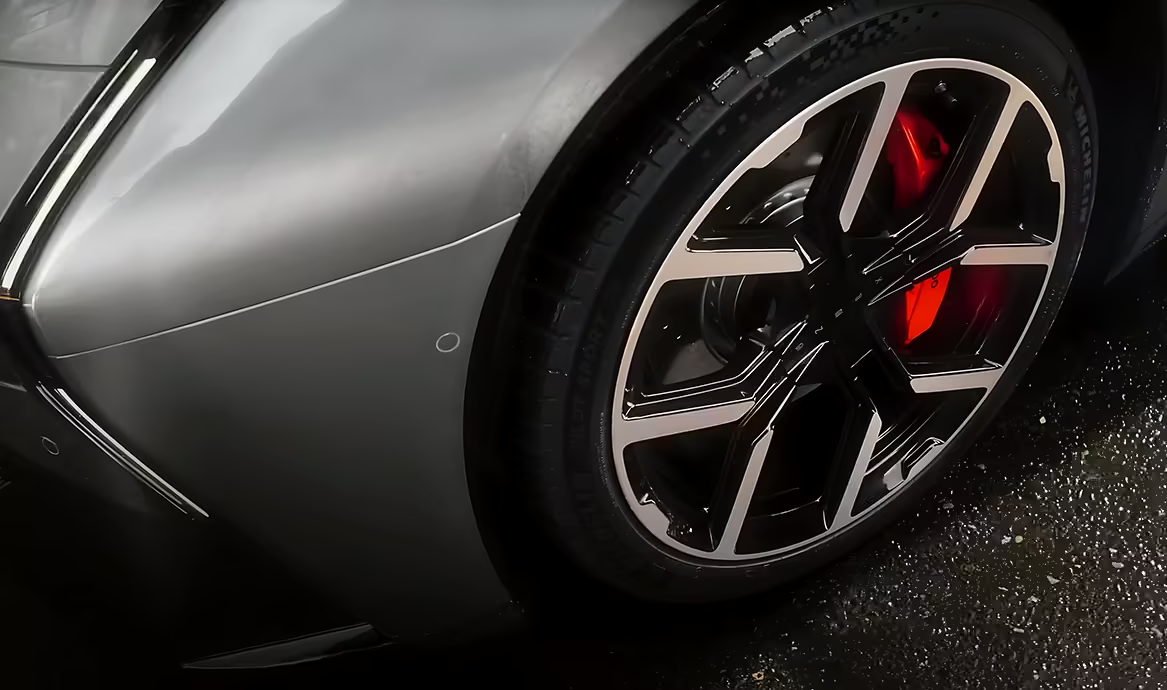
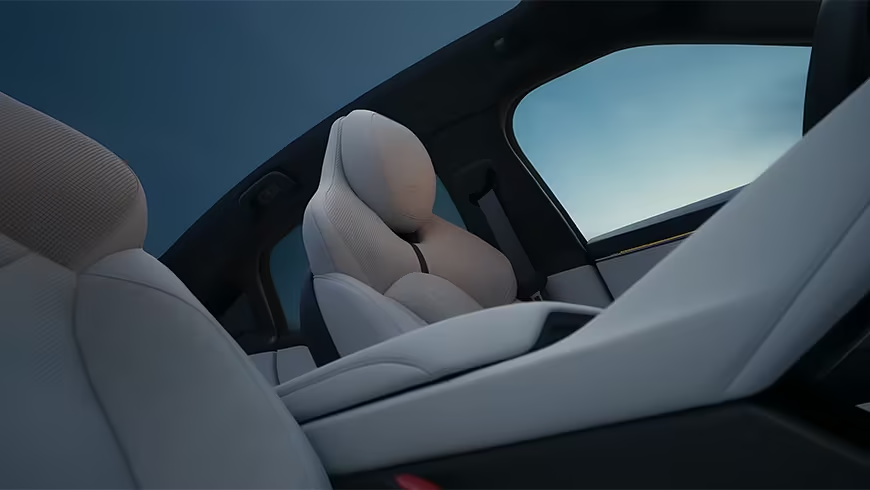
Case Study: the XPENG P7 Launch
- The brief: Gwantsi led the production: a launch film where a giant silver curtain reveals the car. We handled VFX supervision and production for all 32 shots.
- The challenge: Actors walked through and around the curtain, sometimes with it between them and the camera. The shoot was outdoors over two days, so the light kept changing.
- What we did: We simulated the curtain in Houdini to match the real shoot. We cut out the actors frame by frame so the curtain, car and people always lined up. We matched the changing light in post, so the shoot didn’t need extra days.
- The result: All 32 shots delivered in four weeks, from planning to handover, with working files ready for Gwantsi’s team to finish.
Planning a car launch or automotive film?
We’re happy to talk it through, even at the early idea stage.
Talk It Through →CGI Integration
A CGI car doesn’t automatically match real footage.
The light, reflections and shadows have to be built to agree with the scene.
On a recent SUV campaign, we built the car separately from its surroundings. Night scenes were the hardest: every streetlight and headlight had to reflect correctly in the paint and on the wet roads. Those frames took almost three times longer to render than daytime ones. That level of detail is what makes the car look real.
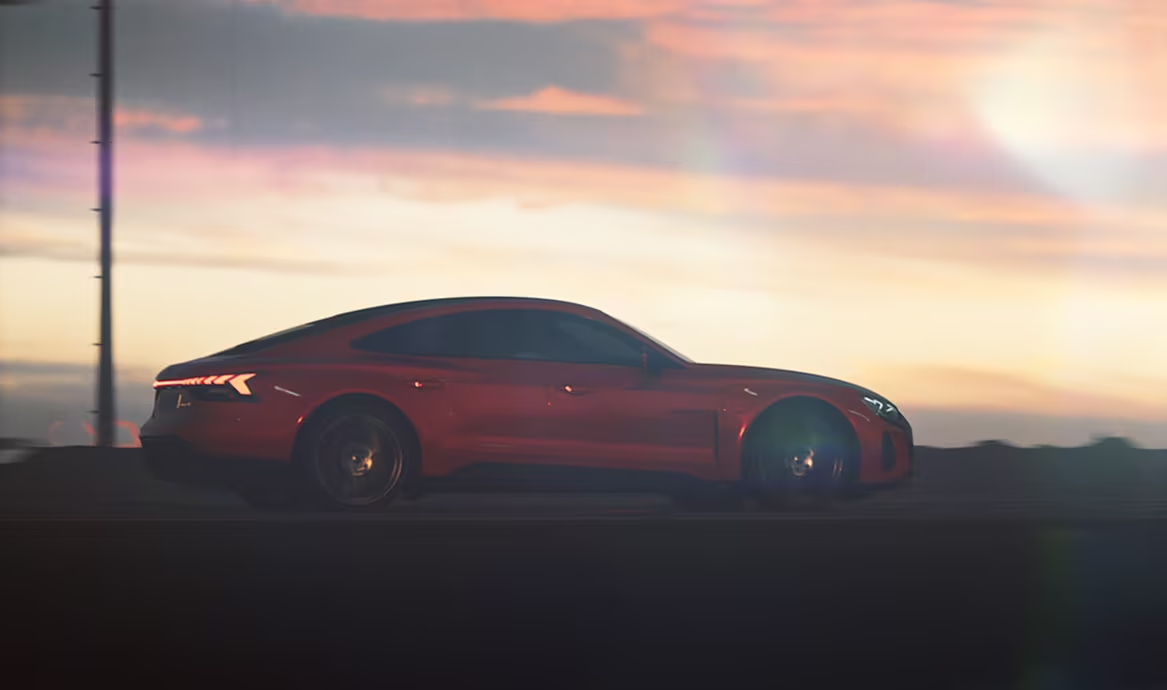
It works the other way too. For a concept film for the Audi e-tron GT, we built the digital world first in Unreal Engine, then blended real footage into it, so both parts react to each other.
Environments
Sometimes the location you need doesn’t exist, or you can’t film there.
We can:
Build a complete digital environment
Extend a real location beyond what was built or filmed
Replace a sky or background without touching the foreground

Everything we build is checked at the final delivery resolution, not just in a quick preview.
Need a location you can’t shoot? Let’s talk →
Planning VFX Before the Shoot
The cheapest time to plan VFX is before filming starts.
- Previsualisation: We plan camera moves, timing and framing in advance, so changes happen on paper, not in costly post-production.
- On-set supervision: We make sure the shoot captures what VFX needs later, such as tracking markers, lighting references and camera data. Without them, even simple shots take longer and cost more.
How We Fit Into Your Production
Most car and commercial films today mix real footage with CGI.
We’re often brought in to handle that part, without taking over the whole production. That’s how the P7 launch worked: Gwantsi ran the production, we handled the VFX.
We Work With
Agencies
That need VFX support but want to keep creative control.
Production Companies
With a shoot that needs CGI, simulation or compositing, before or after filming.
Producers
Managing several vendors, who need files delivered ready for their finishing team.
How We Work
- Talk: You tell us what the shot needs to do. We tell you which VFX it actually needs.
- Plan: Previs and on-set supervision, if there’s a shoot.
- Build: Modelling, simulation, rotoscoping and tracking.
- Combine: Real and digital elements matched for light, reflection and shadow.
- Review: Two revision rounds included as standard.
- Deliver: Finished shots, or working files ready for your team.
Tools We Use
| Tool | Used for |
|---|---|
| Cinema 4D & Redshift | Modelling & rendering |
| Houdini | Simulation |
| Unreal Engine | Large environments |
| Nuke or After Effects | Compositing |
| DaVinci Resolve | Colour |
If you are planning a broader commercial campaign, explore our commercial video production capabilities.
Questions about how we’d work on your project?
Ask Us →Frequently Asked Questions
Can you work as a VFX partner on a production someone else is directing?
Yes. On XPENG’s P7 launch, Gwantsi led the production and we handled VFX supervision and production for all 32 shots. We then handed back finished shots and working files for final compositing.
Can you work within our pipeline and deliver in our formats?
Yes. We deliver finished shots or working files in the formats your team needs, including EXR sequences and layered compositing files. We can also work directly in your Nuke or After Effects setup.
How do you handle confidential or pre-launch vehicles?
We work under NDA as standard. Files move only through secure transfer, and only the artists on your project can access them. Pre-launch vehicles stay confidential from the first file to final delivery.
How do you work with teams in the US, UK and Europe?
We work remotely with teams across time zones. Reviews are scheduled in your working hours. For US teams, work continues overnight, so feedback you send at the end of your day is usually addressed by the next morning.
How many revision rounds are included?
Two rounds are included as standard and agreed in the scope before work starts. Any changes outside the scope are quoted and approved first, so there are no surprises on the invoice.
Tell us what you’re working on.
A few lines is enough. We’ll tell you how we can help, or point you somewhere better if we’re not the right fit.
No brief needed. We reply within 48 hours.