
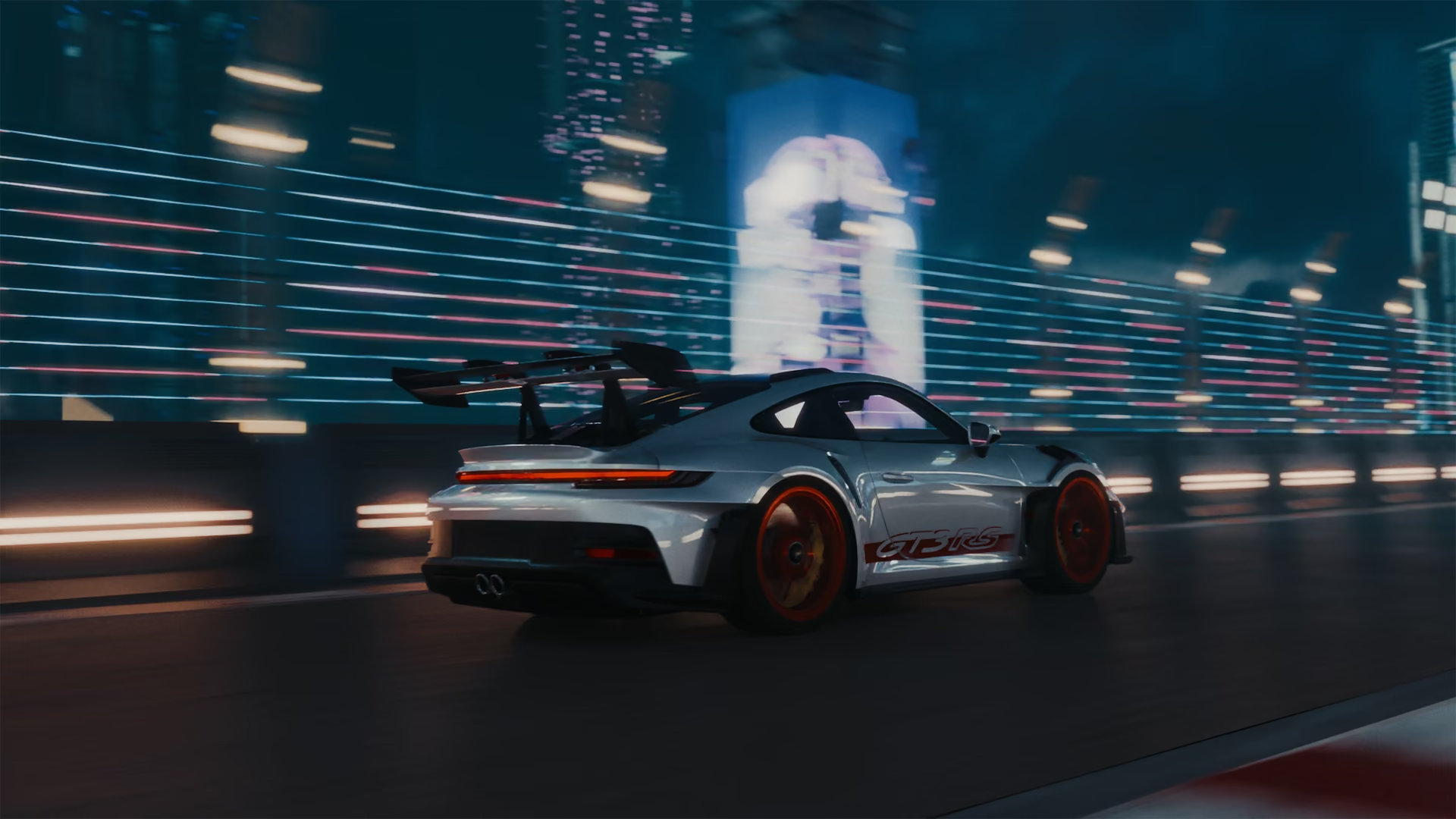
The launch date is fixed. The car is still a prototype, under NDA, or on another continent. And the campaign needs five locations.
That’s the problem we solve. We make the film anyway, and make it work in every format the campaign needs.
What We Make
Every car campaign needs something different. Here’s what we make, and when you’d need it.
Launch Films
For a reveal date, often before the production car exists.
Campaign Content
One car across many locations, markets and formats.
Concept Reveals
For vehicles that must stay hidden until the day.
CGI Cars in Real Footage
A digital car placed into filmed scenes, matched so nobody can tell. More in VFX Services →
Interactive 3D Assets
The same 3D car reused for a configurator customers can use themselves.
Not Sure What Your Launch Needs?
Discuss Your ProjectWhen the Car Can’t Be Filmed
Sometimes there’s nothing to put in front of a camera.
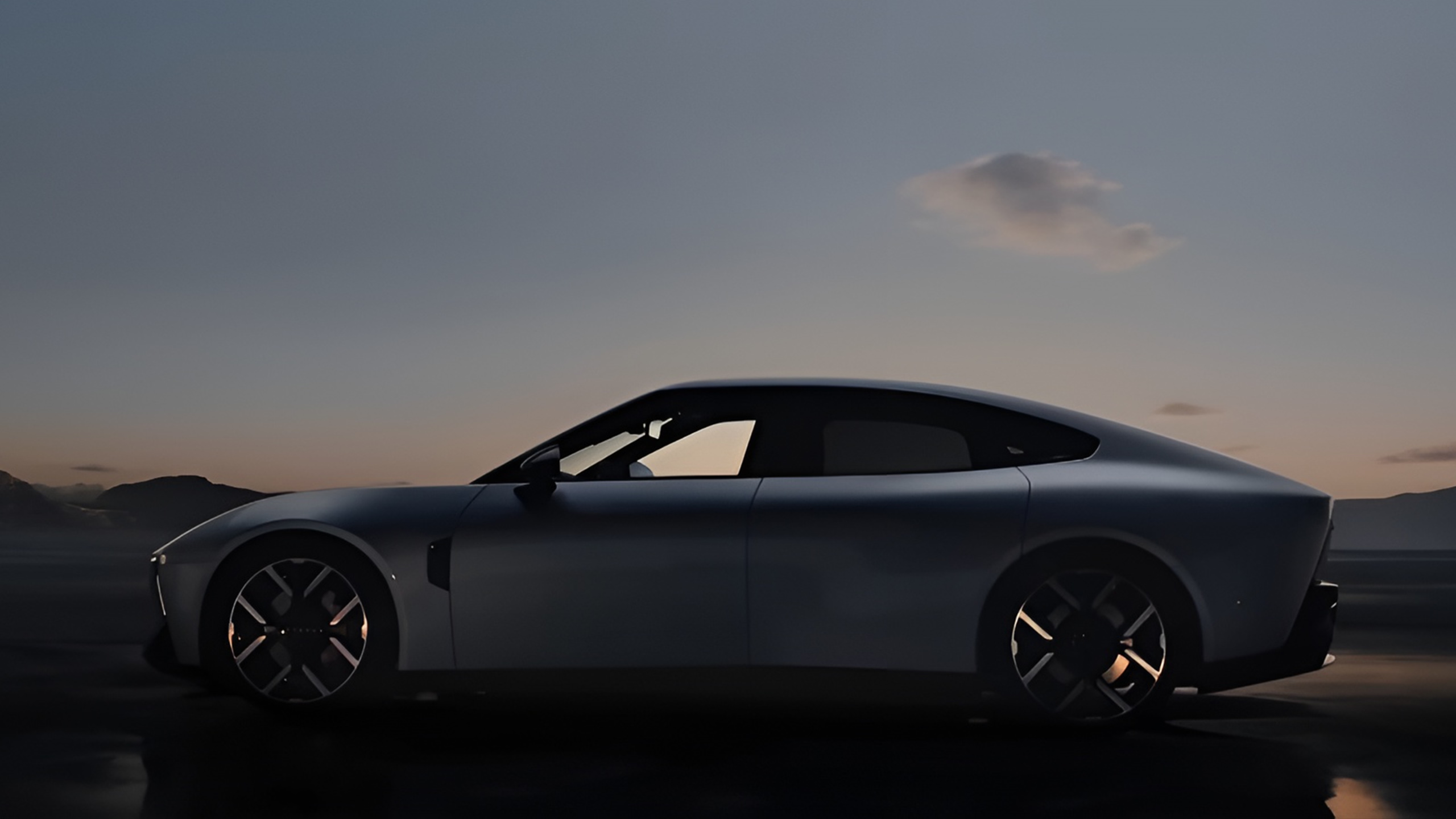
A concept is confidential until release. A prototype isn’t road-legal yet. Or the campaign needs five locations and three kinds of weather in one week.
CGI removes that problem. We build the car from its CAD data (the manufacturer’s engineering files), before a production model exists. Then we place it anywhere, light it any way, and keep it hidden until you’re ready to show it.
Explore our Automotive CGI Services
Shoot, CGI or Both?
The right route depends on the car, the date and how many places it needs to be.
Live-Action
Gives you: real light, which is still hard to fake.
The catch: locations, weather and permits are out of your control. A bad weather day doesn’t reschedule itself.
Best for: one real car in one setting.
Full CGI
Gives you: total control of light, weather, camera and timing.
The catch: realism depends on how carefully paint, glass and light are built, not just the model.
Best for: a car that doesn’t exist yet or can’t be shown.
Hybrid
Gives you: a real location with a CGI car placed into the footage, matched for light, reflections and shadows.
The catch: needs planning before the shoot, so the footage captures what the CGI needs.
Best for: campaigns with several deliverables on one timeline.
Is CGI cheaper? Not always. For one car in one setting, a shoot is often simpler and cheaper. For a campaign across several locations, markets or formats, one CGI car usually costs less than a new shoot for each.
Case Study
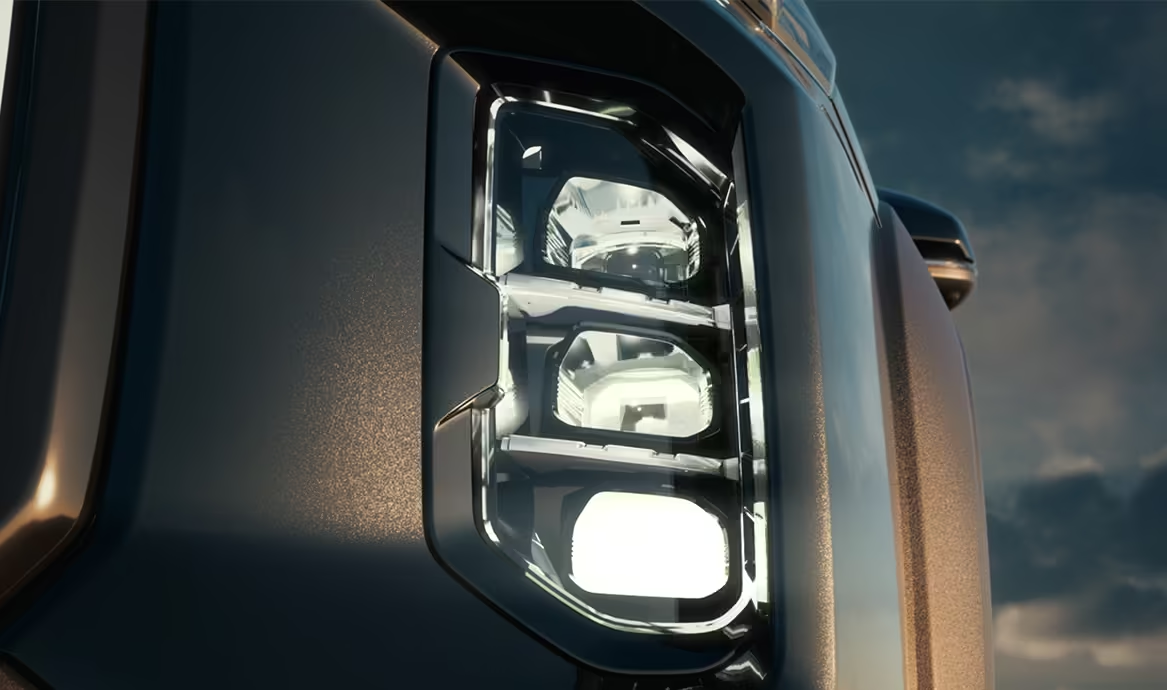
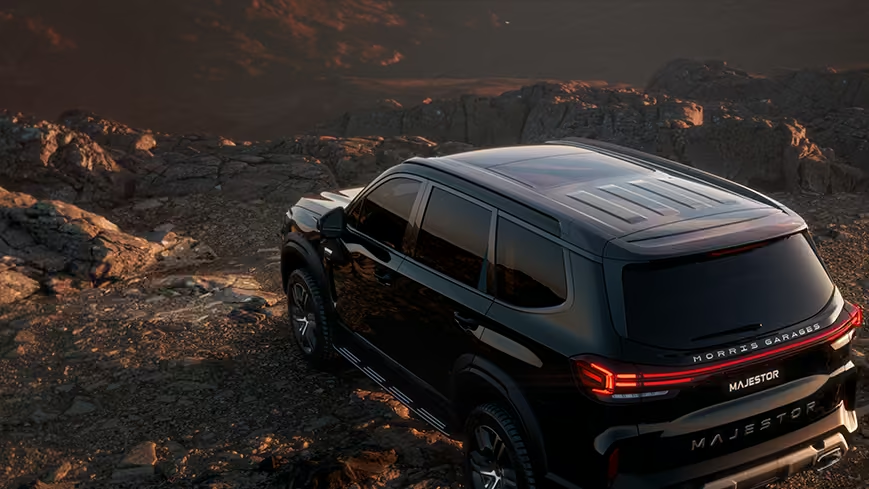
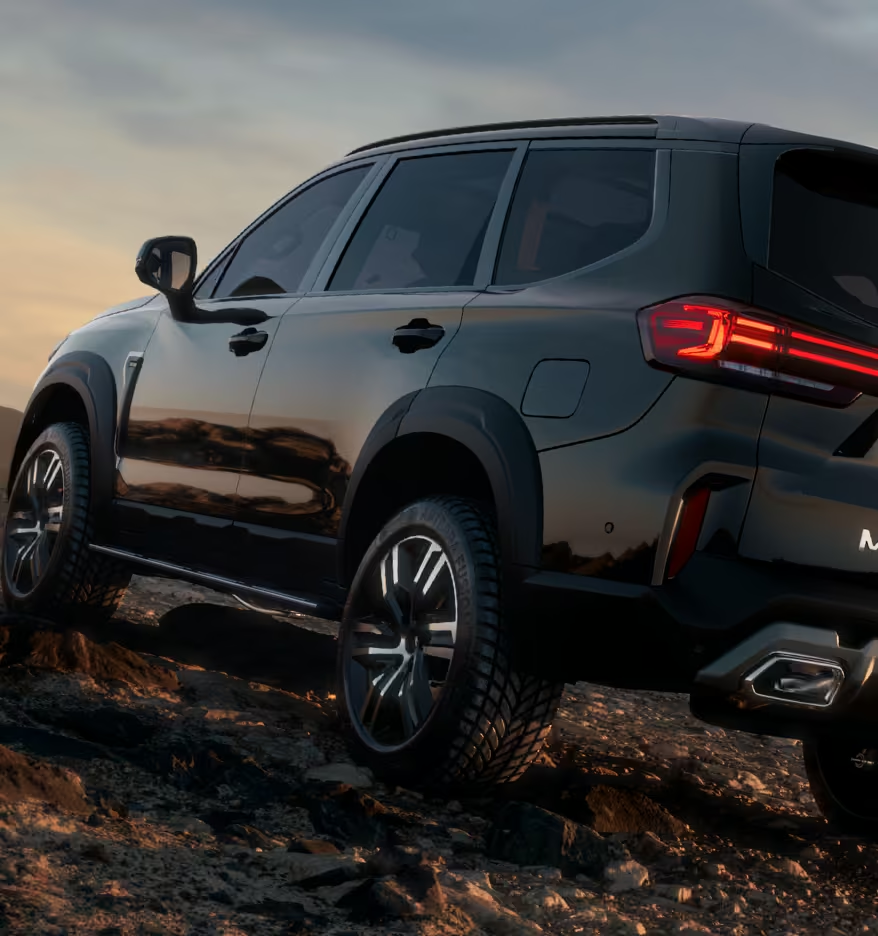
One car, seven films.
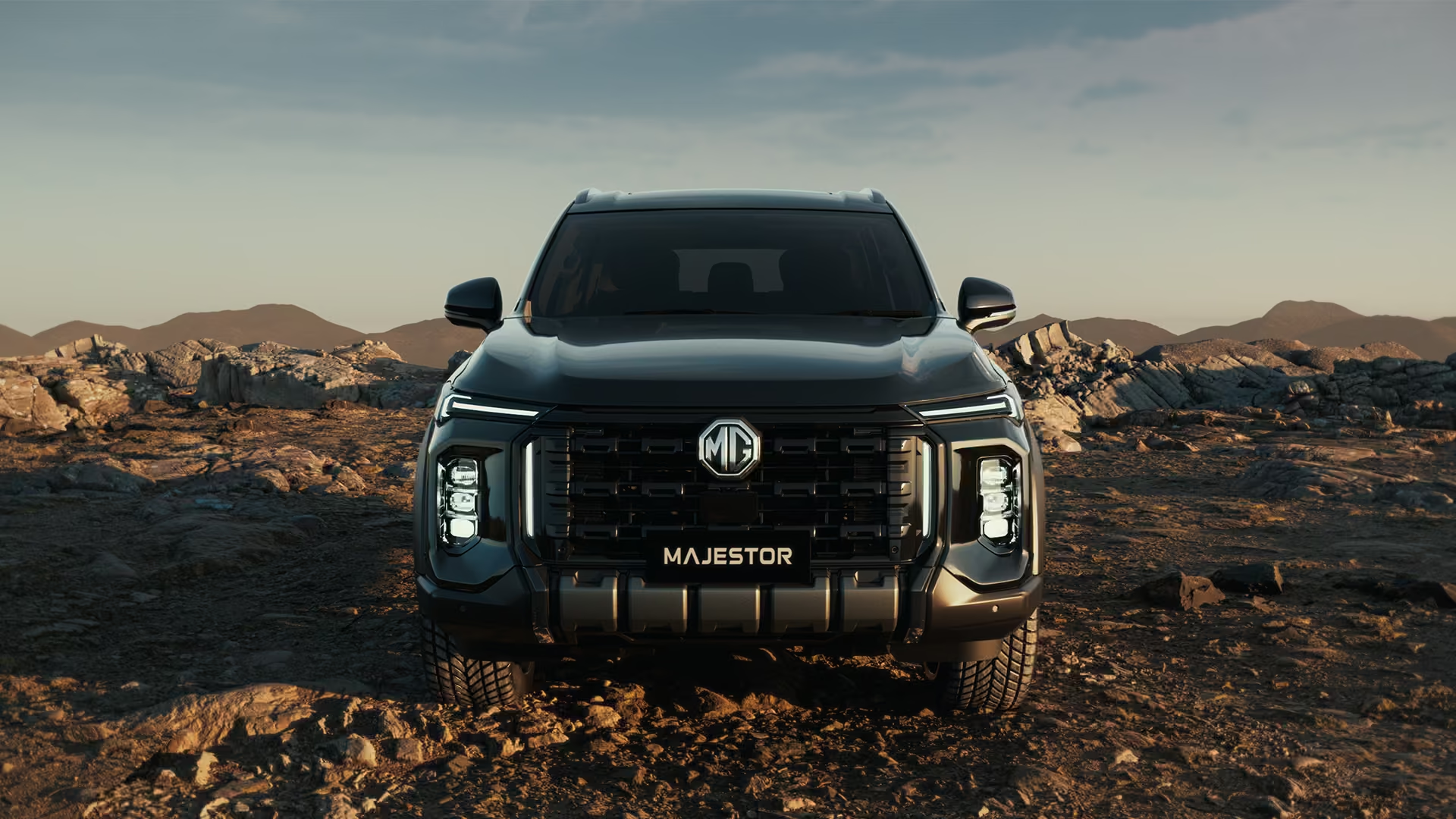
MG Majestor Launch
- The brief: The MG Majestor launch needed six cinematic films and a technology explainer, all from the same car.
- The challenge: The films ran across city streets, forests, deserts and mountains. Night scenes were the hardest. Every streetlamp and headlight became a light source, and wet roads multiplied every reflection.
- What we did: We built the car once in CGI and built each environment separately, so the car never had to be rebuilt between them. Night frames took nearly three times longer to render than daytime ones. Our render farm absorbed that, so the schedule didn’t move.
- The result: Seven films from one CGI car, across four kinds of terrain.
How a Production Works
- Agree the deliverables: Formats, platforms and lengths are fixed before anything is built, so the scope doesn’t change halfway.
- Previsualisation: We plan camera moves, timing and framing in a rough version first, while changes are still cheap.
- Build the car: Modelled from CAD data where it exists, matched to the CAD’s proportions and details. Then lookdev (look development): making paint, glass and chrome react to light the way the real materials do.
- Animation and effects: Suspension, tyres, dust and water are simulated in Houdini as real physical reactions, not added on top afterwards.
- Compositing: We match the CGI car to the light, reflections and shadows of the real footage, so the join can’t be seen.
- Review: Two revision rounds included as standard.
- Grade and deliver: Final colour in DaVinci Resolve. Every format from one production: vertical for event screens and social, horizontal for web, 4K for broadcast.
Tools We Use
| Tool | Used for |
|---|---|
| Cinema 4D & Redshift | Modelling & rendering |
| Houdini | Simulation |
| Unreal Engine | Large environments |
| Nuke or After Effects | Compositing |
| DaVinci Resolve | Colour |
Questions about how this would work on your project?
Ask UsWho We Work With
Car Brands and Manufacturers
Launch films and campaign content for a fixed release date, often while the car is still in development.
Automotive and EV Startups
Investor visuals and explainer films before there’s a production car to film.
Agencies
You keep the creative direction. We produce it.
Production company that only needs VFX or CGI support on a shoot you’re already running? See VFX Services
Frequently Asked Questions
Can you make a campaign before the car exists?
Yes. We start from CAD data or design references, so production runs alongside manufacturing instead of waiting for a finished car.
Is CGI cheaper than a shoot?
Usually, at scale. Several locations, markets or formats from one CGI car cost less than repeating a shoot for each. For a single hero shot in one setting, live-action is often still the more direct route.
How do you price a project?
After a short call, we break the project down into shots and deliverables. You get a quote before any work starts.
How long does it take?
A single studio-style shot takes about two to three weeks. A full campaign film with several locations and driving sequences takes about two to four months. Adding VFX to footage that’s already filmed is faster, because there’s no car to build from scratch. See VFX Services →
How do you keep pre-launch cars and CAD data confidential?
We work under NDA as standard. Files move only through secure transfer, and only the artists on your project can access them. Pre-launch vehicles stay confidential from the first file to final delivery.
Can you work with our agency or production team?
Yes. We work to your creative direction and deliver finished films or working files, including EXR sequences and layered compositing files, ready for your finishing team.
How do you work with teams in the US, UK and Europe?
We work remotely with teams across time zones. Reviews are scheduled in your working hours. For US teams, work continues overnight, so feedback you send at the end of your day is usually addressed by the next morning.
How many revision rounds are included?
Two rounds are included as standard and agreed in the scope before work starts. Any changes outside the scope are quoted and approved first, so there are no surprises on the invoice.
How does Unreal Engine speed things up?
It shows lighting and camera changes straight away, instead of waiting for a render. On projects with large environments, a change can take minutes instead of hours.
Do you use AI?
Only for early ideas, to test directions quickly. Nothing AI-generated goes into the final film as it is. It’s rebuilt to match the real car’s proportions and details first.